
Study Centre · The Guardians of the Earth Foundation
Understand life.
Learn to care for it.
The Sanctuary’s experience meets knowledge of nature. To understand tortoises’ needs, improve the environments that house them and share a culture of care.
Begin with an observation Go to the reading collection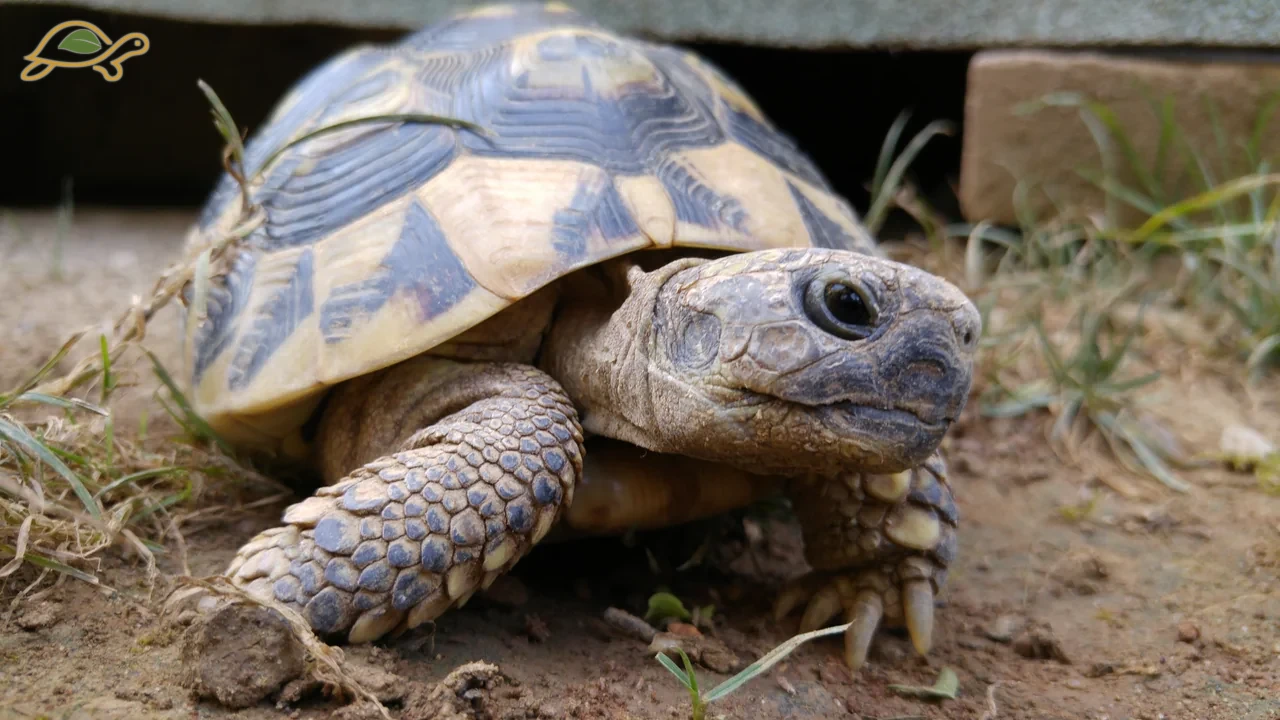
Experience, observation, dialogue
Care grows
when it becomes knowledge.
Forty years of experience with tortoises and around ten years of developing the Pilot Sanctuary have taught us not to regard a solution as final simply because it worked once.
The Study Centre is where we connect this experience with accessible sources and open questions. Here, we describe the Sanctuary’s choices, explain the principles guiding them and offer tools for more attentive observation.
The starting point is practical: field experience and source-based public education. Observations from the Pilot Sanctuary are accounts of management experience, not results of scientific experiments.
Three perspectives, one responsibility
What we want to understand.
Animals
and their choices
Where do they pause? Which spaces do they use? What changes during the day? Observing behaviour alongside its context is the first step towards describing it more accurately.
Reading a dayHabitats
and their management
A shelter, a patch of shade, a water point: every element has a purpose. We want to understand how to make spaces accessible, varied and manageable over time.
Understanding a habitatProtection
beyond the enclosure
Caring for animals in our care and protecting wild populations are connected but different responsibilities. Landscapes, continuity of care and education belong in the same conversation.
Understanding to protect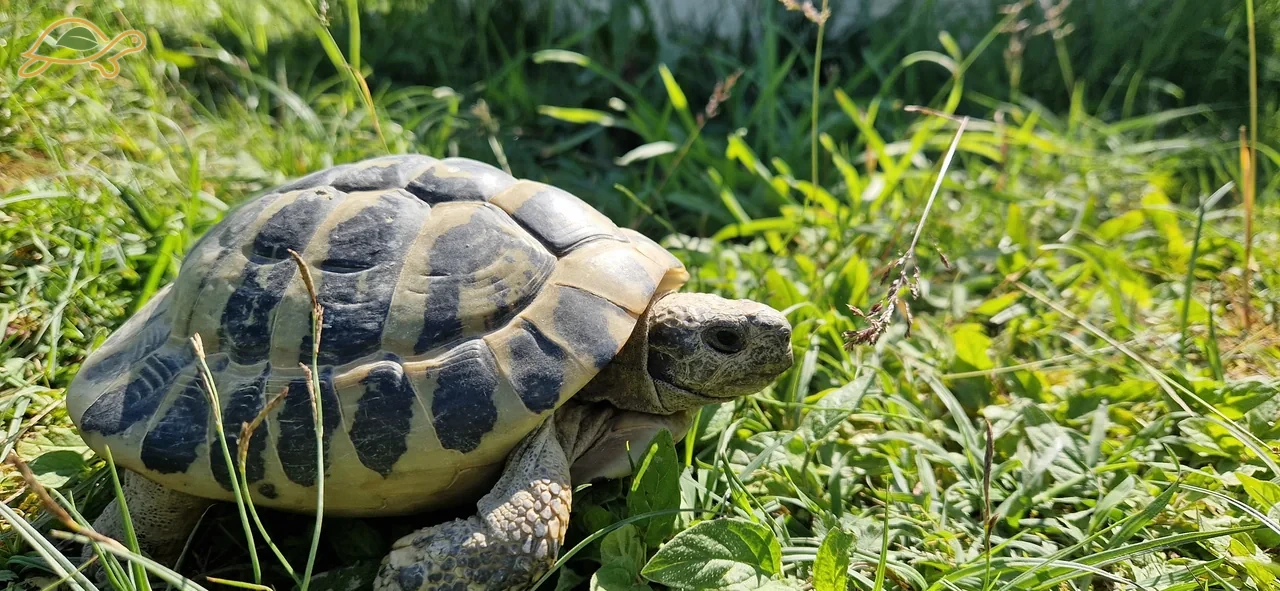
From the Sanctuary · A question from the field
Pleasing to look at.
Or good to live in?
At the Pilot Sanctuary, we placed areas of short-cut grass beside others allowed to grow with greater variety. When looking for the tortoises, we found them among taller grasses, shrubs and sheltered corners.
This experience raises a question that guides the project: are we designing an environment to see the animals better, or to offer them more choices?
Which shelters are available? When are they used? Does the behaviour recur when light and environmental conditions change?
This is an observation reported by the Foundation, not a measured preference valid for all tortoises.
Read about the experience and its contextThe library · Six readings available
A question.
A good place to begin.
Introductory articles with sources and links. Choose the subject that interests you: there is no need to read them in order.
What is Testudo hermanni?
Get to know a wild neighbour, distinguishing care for an individual from protection of a species.
Read the article HabitatWhat makes a space liveable?
Shelters, vegetation and resources: read an environment through the possibilities it offers.
Read the article BehaviourWhat does a pause in the sun tell us?
Activity, shade and environmental conditions: context changes the meaning of what we see.
Read the article NutritionWhy talk about fibre and variety?
The principles of feeding herbivorous tortoises, beyond the search for a single ideal food.
Read the article BiologyWhat lies behind a carapace?
Understanding a living part of the body can change how we see and respect it.
Read the article ObservationHow do we describe a change?
Notice, record and communicate what happens, distinguishing observation from diagnosis.
Read the articleThe value of an approach
An experience is a beginning.
A conclusion requires more.
What did I see?
“The tortoise is under the shrub.” A verifiable description, without assigning intentions or emotions we cannot know.
What do I need to understand?
“Under what conditions does it use that shelter?” This is a question to explore, not proof that a single factor explains its choice.
What supports the answer?
Observations at different times, relevant sources and qualified expertise help distinguish a first impression from a well-founded explanation.
A tool to take with you
The observer’s
notebook.
A useful note need not be complicated. A few carefully gathered details are enough, without moving the animal to create a different scene.
We have prepared a printable guide to help separate what you see, the conditions in which you see it and the questions that remain.
Open the printable sheetFor use on paper. No registration is required and no data are collected on the website.
Describe first.
Then ask questions.
- WhenDate, time and duration of the observation.
- Under what conditionsSun, shade, rain; measurements only if taken.
- In which part of the environmentOpen ground, vegetation, water or shelter.
- What is happeningVisible actions, without automatic interpretations.
- What remains to be understoodQuestions and differences from other observations.
Questions that open the next step
From curiosity to a shared pathway.
These are subjects we propose exploring with people and expertise interested in the project. They are not completed studies: they form an agenda for discussion to help the Centre grow.
How does the use of space change throughout the year?
Comparing notes collected under different conditions can help frame questions about managing vegetation, paths and shelters. A structured approach would require shared criteria, comparable observations and competent assessment.
What other forms of life do we encounter in the Sanctuary?
At the Pilot Sanctuary, we also observe insects, lizards and other small animals. A possible next step is to document their presence through non-invasive observations and verified identifications, without confusing occasional encounters with a biodiversity survey.
Which choices might also be useful elsewhere?
Describing a solution also means explaining maintenance, constraints and conditions of use. This documentation, alongside the necessary expertise and local checks, is what can make the experience useful to another project.
Explore the replicable model →Where knowledge meets
Do you have a useful question?
Or expertise to share?
We welcome proposals for further study, bibliographic references and offers of dialogue from naturalists, veterinarians, researchers, educators and people with relevant experience.
Tell us about the subject, the contribution you would like to make and any available sources. The Foundation will assess the proposal before any editorial use.
Propose a contribution to the Study CentreOne Foundation, complementary pathways
Here, our approach and experience.
On our editorial sites, dedicated pathways.
The Study Centre focuses on protection choices and what the Sanctuary’s experience invites us to understand. Tartarughe di Terra and Tartarughe d’Acqua are editorial projects devoted to their respective worlds: distinct focuses within the same mission.
Discover the editorial projects →